Language:





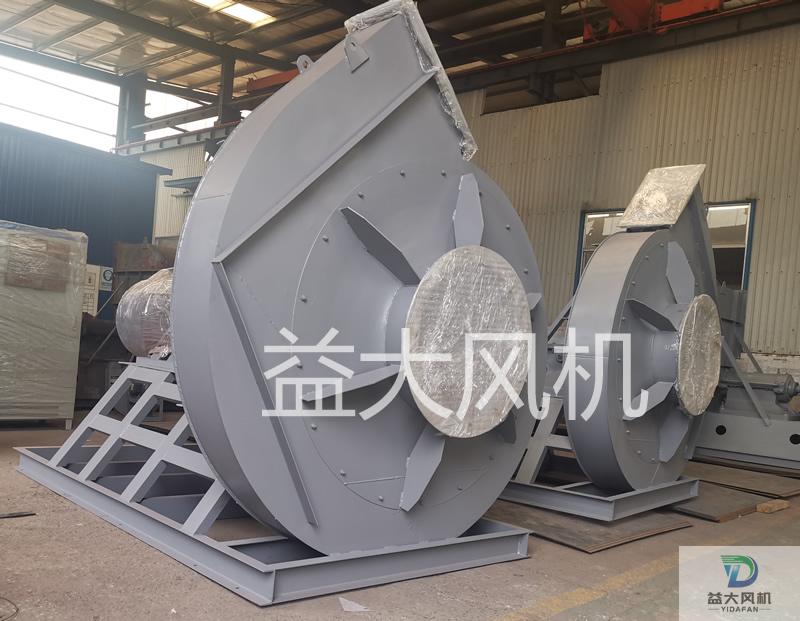
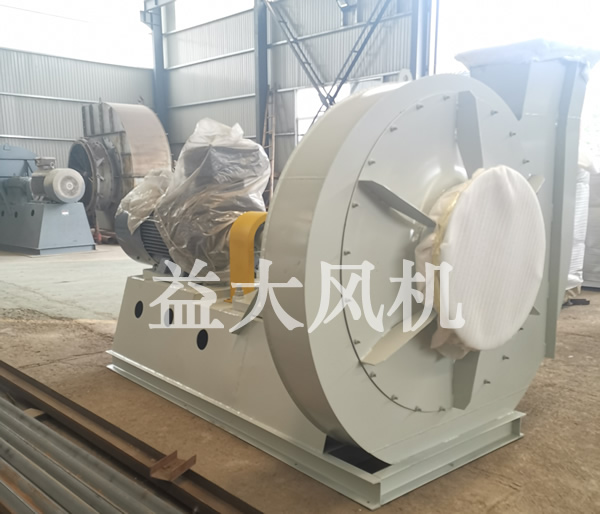
Hardfacing is the most established wear protection method: a high alloy wear resistant layer is deposited on the areas that wear, and hard phases resist abrasive cutting. It can be applied selectively and repaired locally, but heat input is high, so cracking and distortion must be controlled.
Wear is not evenly distributed across an impeller; blade working faces and the inlet usually fail first, so hardfacing is applied by zone rather than as uniform thickening.
| Location | Process | Typical figure |
| Blade working face | High alloy powder hardfacing | Deposit hardness typically HRC 55-62 |
| Impeller side plates | Local hardfacing or wear plate | Applied according to the wear pattern |
| Volute casing | Replaceable wear liner | NM400 or NM500 grade plate |
| Inlet cone | Hardfacing or ceramic composite | Takes high velocity erosion |
| Shaft | Surface hardening or untreated | Preserves toughness and fitting accuracy |
| Location | Process | Typical figure |
| Preheating | Preheat set by base and filler metal | Reduces cracking tendency |
| Layered deposition | Control of bead thickness and interpass temperature | Lowers residual stress |
| Post-weld cooling | Controlled slow cooling under insulation | Prevents the deposit cracking |
| Distortion control and re-balancing | Balance to G6.3 after hardfacing | Restores rotor balance |
| Post-weld inspection | Visual check plus hardness sampling | Confirms deposit quality |
Applications include boiler induced draft, cement grinding, foundry sand handling, aggregate crushing and coal conveying.
Hardfacing is a wear part process, so the maintenance interval should be set by running hours and easily replaced components such as liners should be used.
A thicker deposit is not automatically better: excessive thickness raises the cracking risk, so depth is set from wear rate and inspection interval.
| Standard | Title | Purpose |
| GB/T 984 | Hardfacing electrodes | Selection of hardfacing consumables |
| GB/T 12444 | Metallic materials - Wear test method - Block-on-ring sliding wear test | Wear test method |
| ASTM G65 | Standard test method for measuring abrasion using the dry sand/rubber wheel apparatus | Relative abrasive wear resistance |
| GB/T 9239.1 / ISO 21940-11 | Mechanical vibration - Balance quality requirements for rigid rotors | Impeller balancing grade |
| JB/T 10563 | General purpose centrifugal fans - Technical specifications | General technical conditions and works acceptance |
Please provide dust concentration, particle size and hardness, inlet velocity and air flow. Size and motor power are calculated for the actual duty.
Yes. Hardfacing changes the blade mass distribution and the rotor must be re-balanced to GB/T 9239.1 (ISO 21940-11), normally to G6.3 or to G2.5 where speed is high or vibration sensitivity is critical.
Only for abrasive wear. In high velocity erosion duty the toughness and bond quality of the deposit matter more, and simply raising hardness can introduce cracking.
Where particles are coarse and abrasive wear dominates, hardfacing is more economical and can be repaired on site. Where particles are fine, velocity is high and erosion dominates, ceramic composite or tungsten carbide coating is usually a better fit.
Related pages: Wear-resistant fan range Wear-resistant centrifugal fan Dust collection and wear protection
Contact: Lee
Phone: 13793313126
Tel: 0533-6820280
Email: chuanyi99@126.com
Add: Wujia Industrial Park, Nanjiao Town, Zhoucun District, Zibo City, Shandong Province, China