Language:




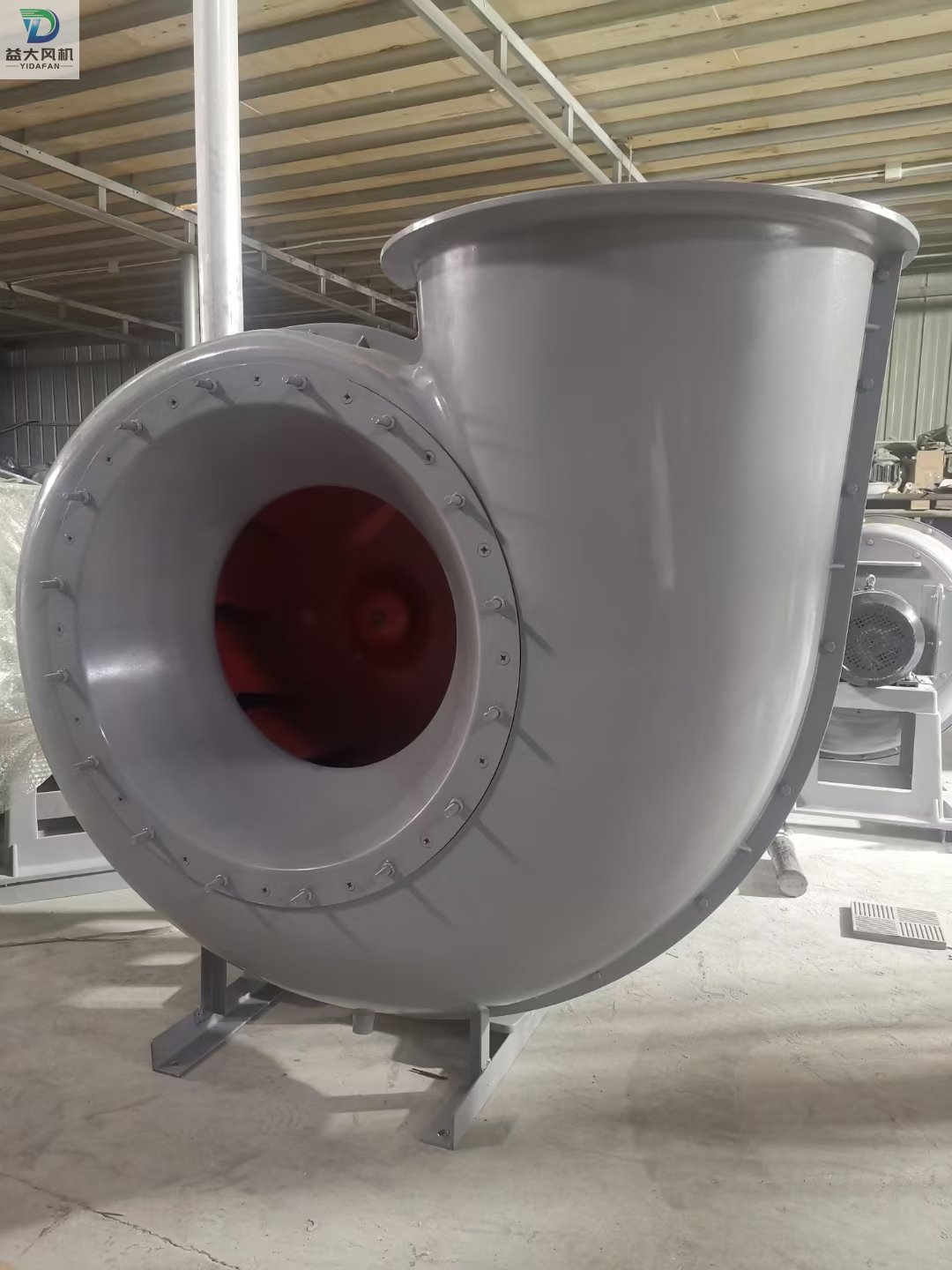
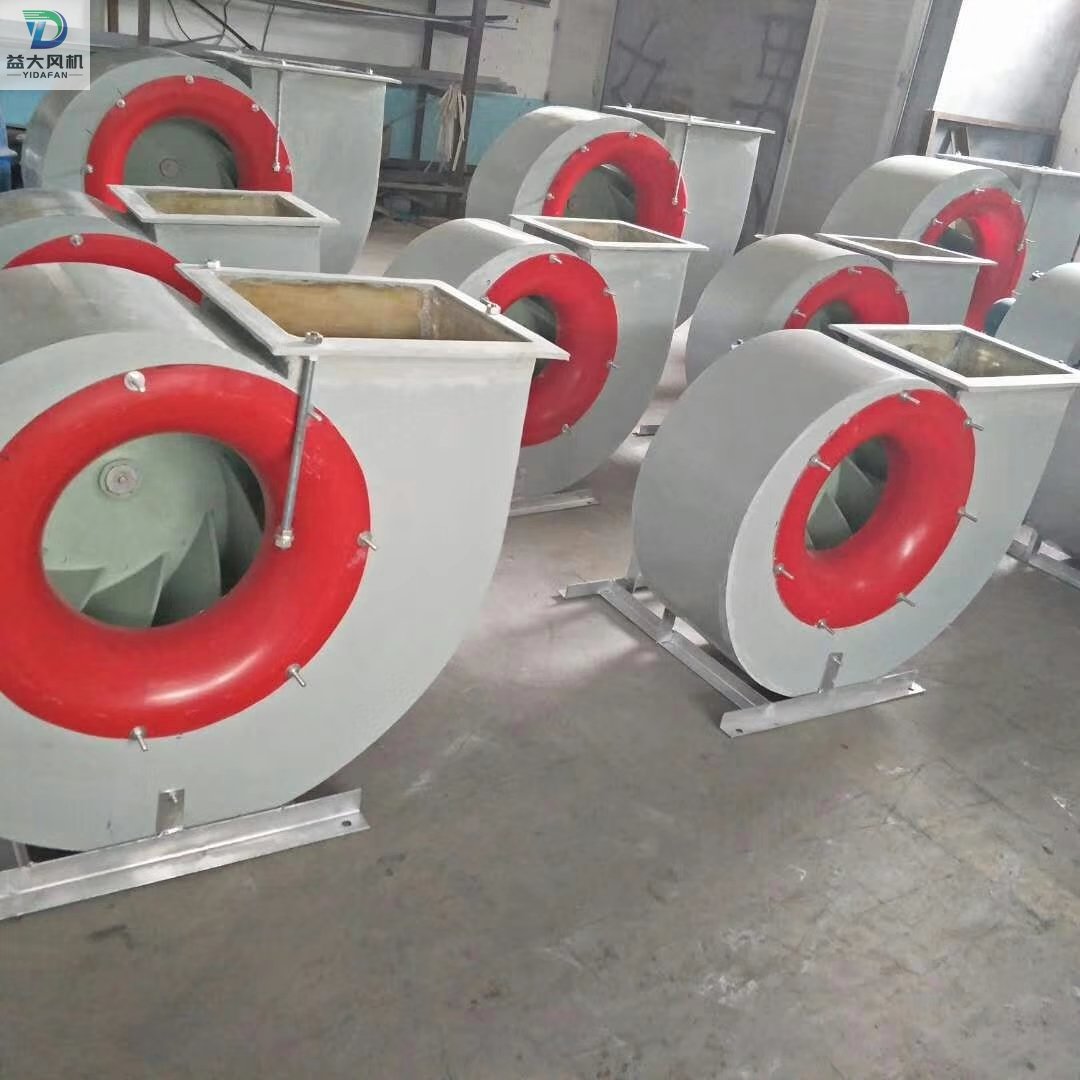
Ammonia fan selection starts with two questions: is the medium aqueous ammonia or dry ammonia gas, and does the stream contain chlorides or oxygen. Ammonia attacks copper selectively. Copper and copper alloys form soluble ammine complexes, and stressed areas are prone to ammonia stress corrosion cracking. The first rule for this duty is therefore: no copper alloys.
Aqueous ammonia and dry ammonia gas behave very differently. Dry ammonia is relatively mild to carbon steel, while ammonia water attacks carbon steel noticeably when oxygen is present or temperature rises.
| Location | Material / process | Basis |
| Impeller and casing | 304 or 316L stainless steel (GB/T 4237) | Common for ammonia water; 316L where chlorides are present |
| Chloride bearing or mixed media | Duplex 2205 (GB/T 20878) | Better chloride pitting resistance |
| Non-metallic option | PP, PVC or FRP | Avoids metallic corrosion at ambient temperature |
| Fasteners and shaft | Stainless steel only; no copper, brass or galvanised parts | Ammine complexing and zinc attack |
| Dry ammonia gas | Carbon steel with oxygen and residual stress controlled | Dry ammonia is milder, but stress corrosion cracking must be prevented |
Stainless steel is not immune. Ammonia water is relatively mild to 304 and 316L, but when chlorides are also present, pitting and crevice corrosion still occur. Such duties require the grade to be reviewed against GB/T 20878, or duplex steel to be used.
| Measure | Practice | Purpose |
| Weld passivation | Pickling and passivation of stainless welds | Restores weld corrosion resistance |
| Shaft seal | Mechanical seal, or packing with leak drainage | Limits ammonia escape |
| Drainage | Low point drain in the casing | Prevents ammonia water accumulating |
| Avoid dead corners | No liquid traps in the flow path or base | Reduces crevice corrosion |
| Earthing | Equipotential bonding per GB 12158 | Ammonia is flammable; static control |
| Enclosure rating | IP grade selected per GB/T 4208 | Outdoor and washdown protection |
Typical duties include ammonia recovery in synthetic ammonia and fertiliser plants, ammonia water tank breathing, ammonia area ventilation for SCR and ammonia based desulphurisation, refrigeration plant ammonia discharge, and pharmaceutical or chemical ammonia dosing exhaust.
Medium temperature in these duties is usually low. The corrosion risk comes from ammonia concentration, water content and chloride content rather than temperature, so the concentration range, chloride content and oxygen content should be mandatory entries in the specification.
Ammonia is toxic and flammable, with an autoignition temperature around 630 to 650 C and an explosive range of roughly 15% to 28%. Ventilation and explosion protection must be confirmed against the site hazardous area classification. This page covers material selection only and does not replace an explosion protection design.
| Standard | Title | Purpose |
| HG/T 20679 | Design code for external anti-corrosion of chemical equipment and piping | Anti-corrosion design basis |
| GB/T 4237 | Hot rolled stainless steel plate, sheet and strip | Stainless base material acceptance |
| GB/T 20878 | Stainless and heat-resisting steels - Designation and chemical composition | Grade and composition confirmation |
| GB/T 1236 | Industrial fans - Performance testing using standardized airways | Air flow, pressure and efficiency test |
| GB/T 9239.1 / ISO 21940-11 | Mechanical vibration - Balance quality requirements for rigid rotors | Impeller balancing, typically G6.3 |
Fan size, air flow, pressure and motor power are calculated for the actual duty. Please provide ammonia concentration, medium temperature, chloride content, oxygen content and available space.
Ammonia forms soluble ammine complexes with copper, so brass and bronze keep dissolving, and residual stress leads to ammonia stress corrosion cracking that often appears without visible thinning. Impellers, fasteners and instrument fittings must not be copper alloys, and galvanised parts are equally unsuitable in ammonia service.
At ambient temperature, 304 or 316L stainless steel is common; where chlorides are present, 316L or duplex 2205 is preferred. PP, PVC or FRP can be used where metal is a concern or concentration fluctuates. Dry ammonia gas allows carbon steel, provided oxygen and residual stress are controlled.
Ammonia is toxic and flammable. Shaft sealing must control leakage, the casing needs a low point drain, and earthing follows GB 12158. Whether explosion protection is required depends on the site hazardous area classification and cannot be decided from corrosion alone.
Related pages: Anti-corrosion fan range Hydrochloric acid resistant fan Product range
Contact: Lee
Phone: 13793313126
Tel: 0533-6820280
Email: chuanyi99@126.com
Add: Wujia Industrial Park, Nanjiao Town, Zhoucun District, Zibo City, Shandong Province, China