Language:



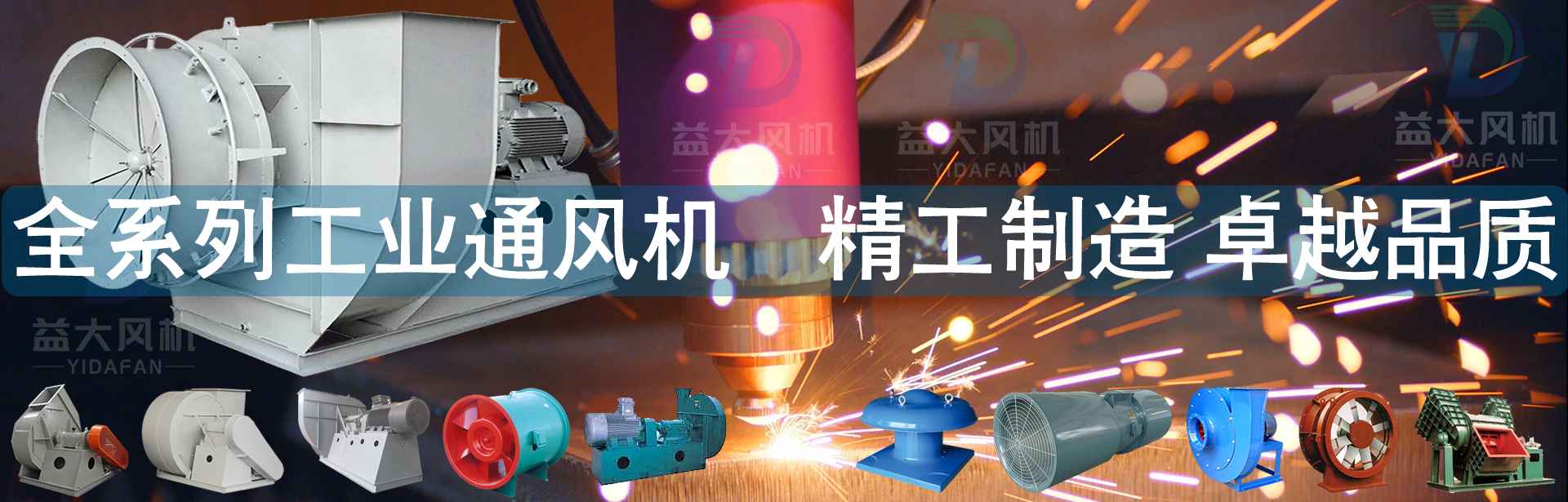
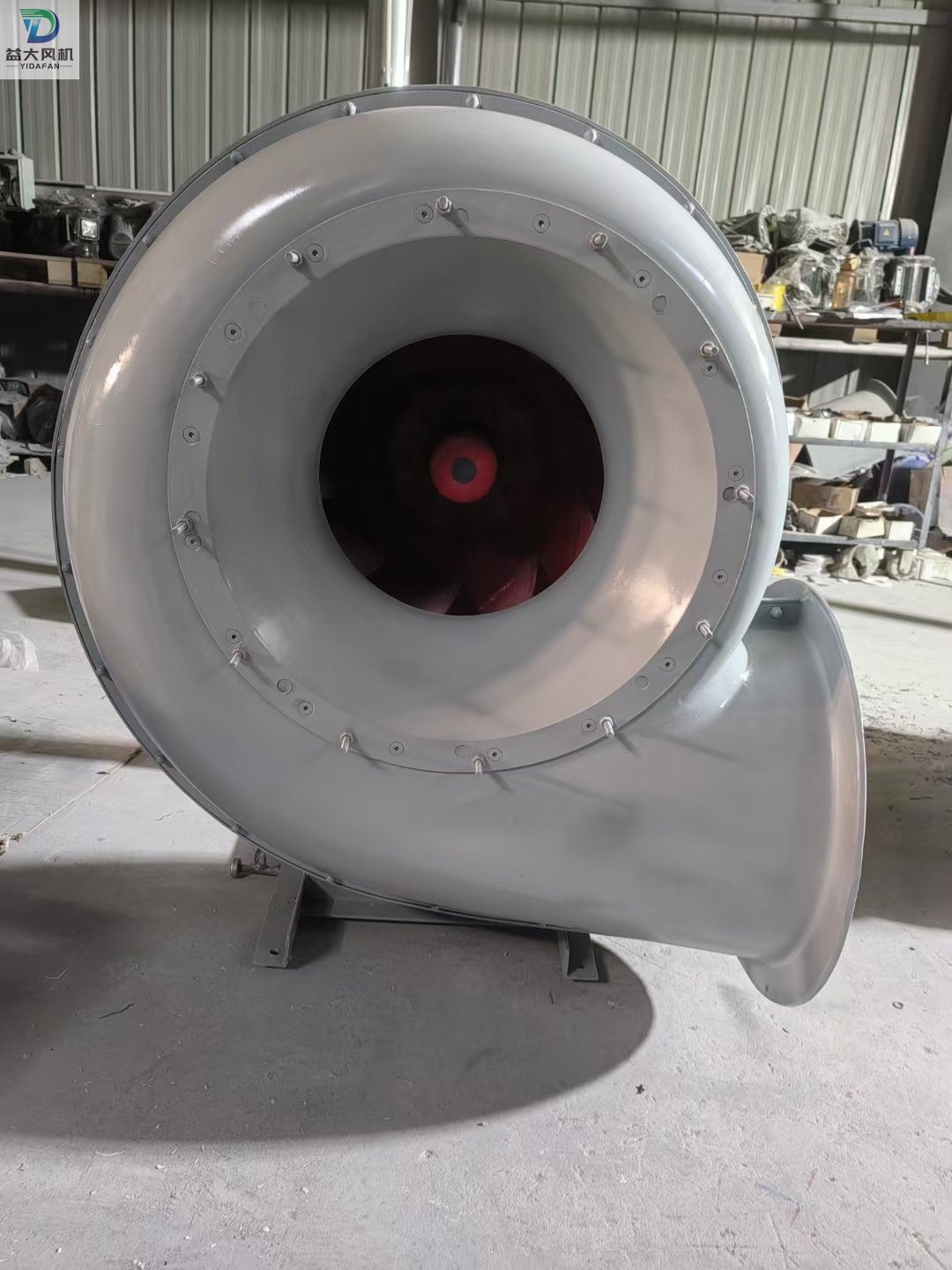
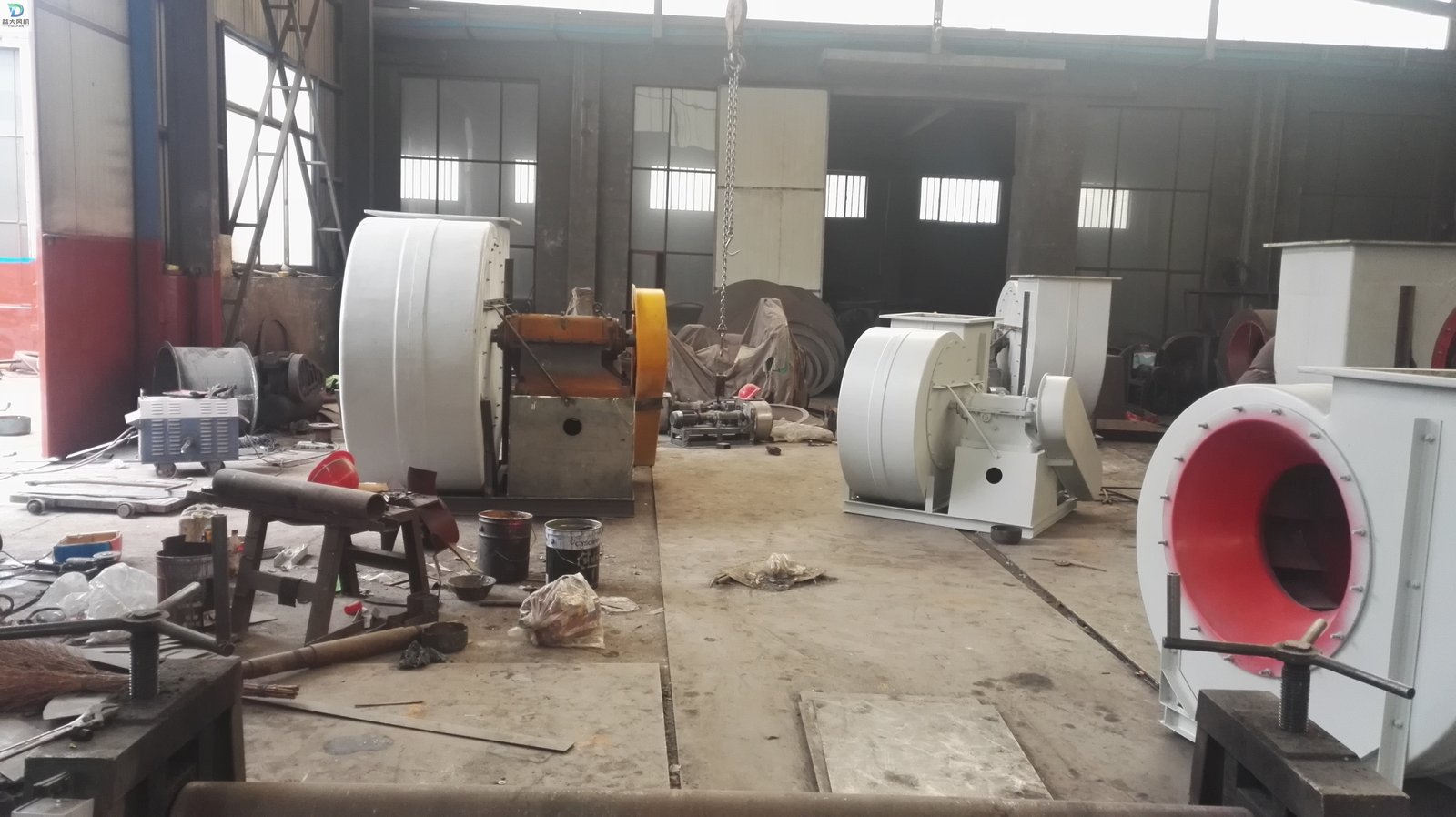
A 316L stainless steel centrifugal fan is built from an extra-low-carbon, molybdenum-bearing austenitic stainless steel, commonly identified as UNS S31603 or EN 1.4404. The material is generally selected for dilute acids, low-chloride service and food or pharmaceutical washdown duties.
Grade alone does not prove suitability. Concentration, temperature, moisture, chloride or fluoride ions, oxidants, suspended particles, velocity and condensation after shutdown all belong in the duty review.
Typical 316L composition is about 16–18% chromium, 10–14% nickel, 2–3% molybdenum and no more than 0.030% carbon. Its annealed austenitic structure supports forming and welding; high strength is not the main reason to select it.
| Property | Typical characteristic | Selection meaning |
| Composition | Extra-low carbon with molybdenum | Verify grade, heat number and certificate |
| Structure | Austenitic, ductile and formable | Suitable for welded impellers and casings |
| Corrosion | Usually better than 304 in low-chloride media | Crevices, deposits and heat can still cause attack |
| Temperature | Mainly aqueous, acid-mist and moderate-temperature duty | It is not a heat-resistant alloy |
316L combines practical forming, welding and corrosion performance, but molybdenum does not make it immune to concentrated chlorides. Welds, gasket crevices, impeller roots, low-point liquid and iron contamination are likely failure locations.
| Item | Use condition | Failure boundary |
| Dilute acids | Low chloride and oxidant content | Concentration or temperature changes the rate |
| Weak chlorides | Low concentration, good flow, no deposits | Hot crevices and wet-dry cycling raise pitting risk |
| Washdown | Defined food or pharmaceutical cleaning cycle | Chlorinated disinfectants require chemical review |
| Solids | Small loading and controlled velocity | Erosion can remove the passive film |
The following table is a screening guide, not a material approval. Evaluate acid concentration with temperature, water content and the complete impurity package. A diluted, evaporating or condensing stream can behave differently from the stated liquid.
| Medium | Common window | Boundary |
| Dilute sulphuric acid | Low to moderate concentration near ambient temperature | Hot, concentrated or evaporating acid needs review |
| Phosphoric acid | Low-chloride, low-fluoride acid or mist | Wet-process halides and solids narrow the range |
| Organic acids | Aqueous, low-chloride acetic or lactic duty | Anhydrous or hot concentrated acid needs review |
| Neutral salt solution | Dilute, near ambient and free of deposits | Seawater and concentrated brine are not general duty |
| Hydrochloric acid, wet chlorine and hypochlorite | Only after a specific material evaluation | Do not release on a nominal 316L label alone |
| Solvents and dust | Low activity, low solids and stable flow | Active halogens and heavy abrasion require another design |
Shutdown cooling can create concentrated condensate from a vapour stream. Arrange low-point drainage and remove wash water that would otherwise sit in the casing.
Certificates do not replace fabrication control. Use dedicated tools to prevent carbon-steel contamination, match welding consumables to the grade and control heat input. Remove heat tint and contamination, then pickle and passivate where specified.
| Process | Control | Purpose |
| Receiving and cutting | Check heat number and certificate; perform PMI as specified | Prevent grade mix-up |
| Forming and welding | Clean dedicated tools, matched consumables and controlled heat input | Limit contamination and local attack |
| Surface treatment | Remove iron, spatter and heat tint; pickle and passivate | Restore the passive film |
| Structure and assembly | Reduce dead corners, protect flange faces and provide drainage | Limit crevices and retained liquid |
| Final inspection | Dimensions, welds, specified NDT and dynamic balance | Confirm integrity and running stability |
316L centrifugal fans commonly serve chemical off-gas, laboratory exhaust, low-chloride acid mist, food processing, pharmaceutical cleaning, pulp and textile duties. Hot concentrated hydrochloric acid, hydrofluoric acid, strongly oxidizing mixed acid, seawater, heavy chloride scale and abrasive solids call for a different material or lining.
Where flammable gas or combustible dust is present, explosion protection, mechanical strength and system interlocks require a separate engineering review.
| Reference | Title | Acceptance use |
| GB/T 20878-2024 | Stainless steels — Designation and chemical composition | Grade and composition |
| GB/T 4237-2015 | Hot rolled stainless steel plate, sheet and strip | Hot-rolled material delivery |
| GB/T 3280-2015 | Cold rolled stainless steel plate, sheet and strip | Cold-rolled material delivery |
| GB/T 1236-2017 | Industrial fans — Performance testing using standardized airways | Workshop performance |
| GB/T 10178-2006 | Industrial fans — Performance testing in situ | Site verification |
The technical agreement should define certificates, PMI, welding procedure, weld inspection, dynamic balancing and flange protection. Airflow, pressure and power must be accepted from project data and test records.
No blanket substitution is safe. 316L offers molybdenum and lower carbon for many low-chloride and welded duties, but the actual medium, strength and fabrication requirements still need review.
It is not a general material for those duties. Crevices, deposits and low-velocity zones can initiate pitting or crevice corrosion; compare duplex steel, a higher alloy or a non-metallic lining.
Corrosion resistance does not equal wear resistance. Particles can damage the passive film and create combined erosion-corrosion, so loading, size, hardness and velocity belong in the selection data.
Related pages: Anti-corrosion fan range Sulphuric acid duty Phosphoric acid duty
Contact: Lee
Phone: 13793313126
Tel: 0533-6820280
Email: chuanyi99@126.com
Add: Wujia Industrial Park, Nanjiao Town, Zhoucun District, Zibo City, Shandong Province, China